If you’re asking yourself, Should I finance a car? — You’re not alone. Whether it’s your first time buying or you’re replacing your current ride, choosing how to pay is one of the biggest financial decisions you’ll make.
Financing can be a smart move, but it’s not a one-size-fits-all answer. In this guide, we’ll walk you through the pros, cons, and key factors to help you decide if financing is the right fit for your situation.
What Does Financing a Car Mean?
When you finance a vehicle, you’re essentially taking out a loan to pay for the car, then repaying that loan over time, usually monthly, with interest. The lender owns the vehicle until you’ve fully paid it off.
Financing is different from leasing (which is more like a long-term rental) and different from paying cash upfront (which requires having the full purchase amount ready to go).
Why People Choose to Finance a Car

 1. Spread Out the Cost

Most people don’t have tens of thousands of dollars available for an upfront purchase. Financing lets you break that cost into manageable payments.
2. Access to Better Vehicles
Financing may allow you to afford a newer or more reliable vehicle than you could with cash alone.
3. Build Credit Over Time
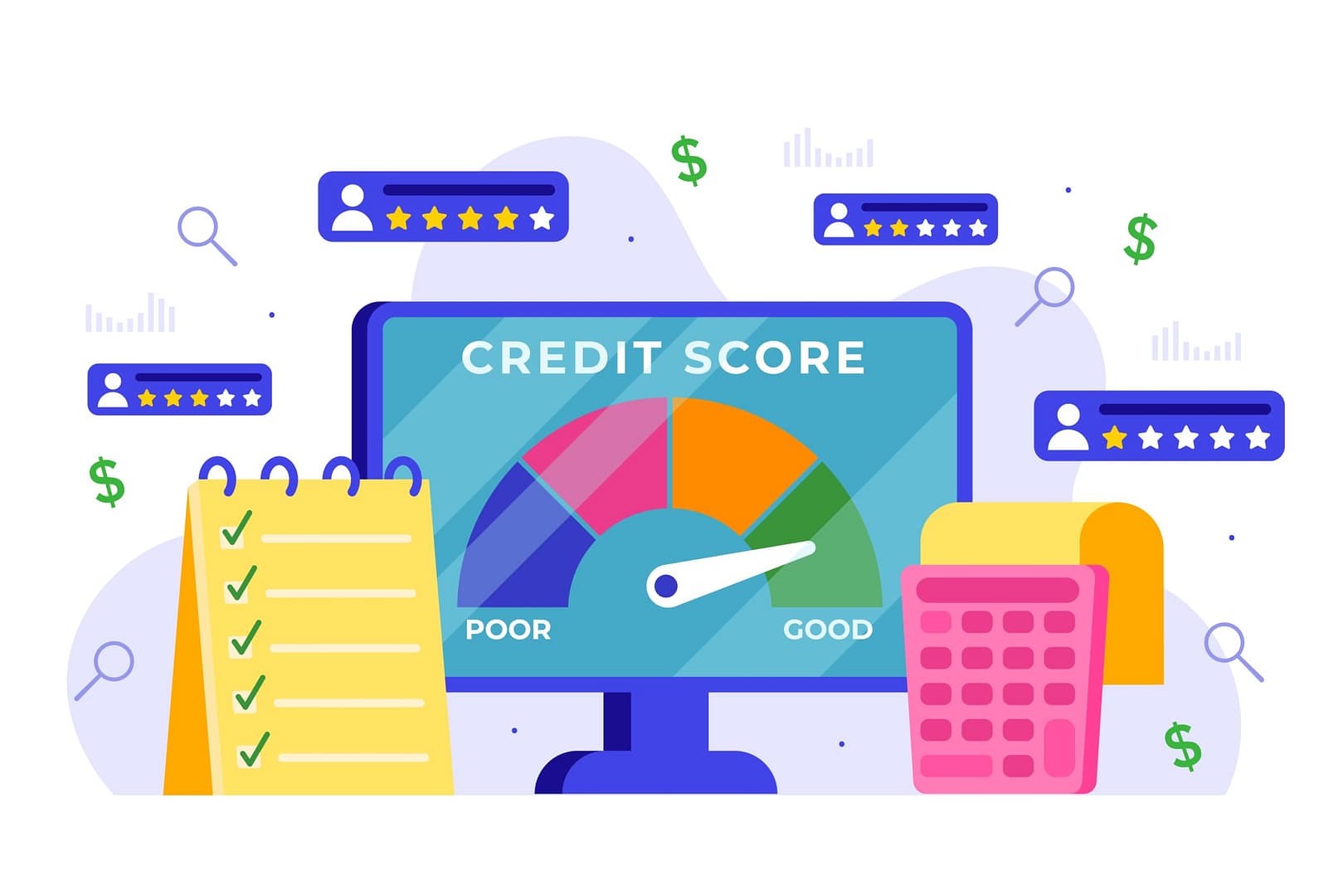
A well-managed auto loan can help strengthen your credit score through consistent, on-time payments.
4. Keep Emergency Savings Intact
Even if you have the money to pay in full, financing can let you hold onto your savings for unexpected costs.

When Financing Might Not Be Right for You
1. You Can’t Afford the Payments

If monthly payments would stretch your budget or cause stress, financing may not be ideal right now.
2. You Qualify for High Interest Rates
If your credit isn’t strong, you could face higher interest rates, which means paying more over time.
3. You Plan to Sell the Car Soon
If you’re not planning to keep the car long-term, paying it off over 4–6 years may not make financial sense.
Things to Consider Before Financing
1. Loan Term

Shorter terms (like 36 months) mean higher monthly payments but less interest overall. Longer terms (72+ months) lower the monthly cost but increase the interest paid over time.
2. Down Payment
A bigger down payment means a smaller loan, better interest rates, and less risk of being “upside down” on your loan (owing more than the car’s worth).
3. Total Loan Cost
Look at the full cost of the loan, not just the monthly payment. Calculate the total interest paid across the term.
4. Vehicle Depreciation
Cars lose value over time. Make sure the vehicle you’re financing holds its value reasonably well.

Final Thoughts: Should You Finance a Car?
If you want to drive a reliable car without draining your savings — and you’re confident you can manage the monthly payments — financing can be a smart, flexible option.
At OCAL Financial, we help Canadians find the right auto financing to match their budget, credit situation, and lifestyle. Whether you’re ready to apply or just have questions, we’re here to help.
Not sure if financing is right for you? Let’s talk. It might be more accessible than you think.
The post Should I Finance a Car? Here’s What to Consider first appeared on OCAL Financial | Used Car Financing.